

Related posts
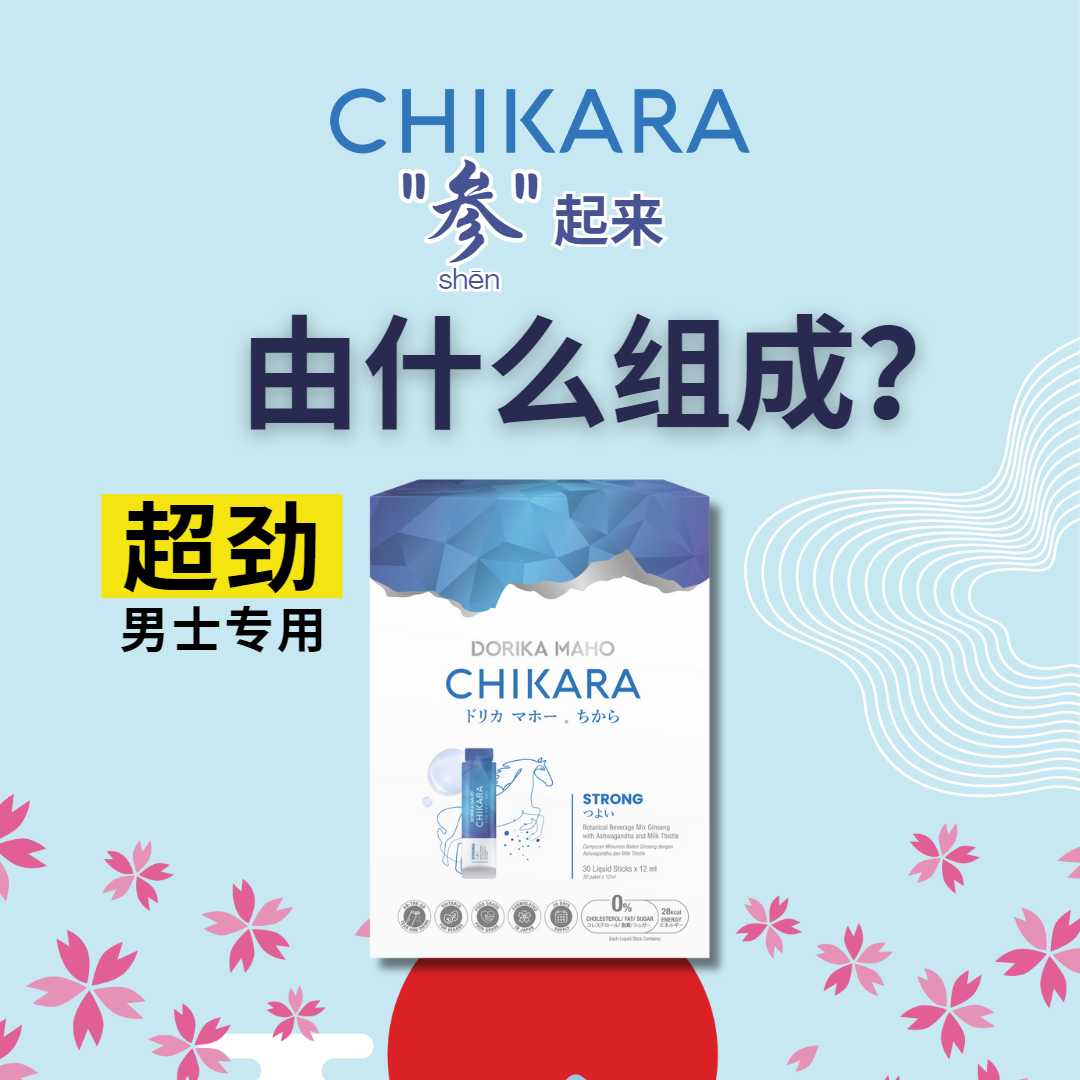
What is CHIKARA composed of?
⚠️ 86% of DM users say they experienced health improvements in 1-2 months! What exactly does CHI

Fruits contain 4 nutrients which help in bone strengthening
1.Vitamin C: In addition to improving calcium absorption rate, it can also promote collagen producti

Si works with collagen for healthy gums.
Si helps to generate new enamel, prevent cavities, bleeding gums and gum recession. Gum problems can

Women care about which aspect of their appearance?
Women care about which aspect of their appearance? 81% strongly agree that a good lifestyle is close

 English
  Chinese
Leave a comment
You must be logged in to post a comment.